40% Faster Documentation With a Purpose-Built ER EMR
A freestanding emergency room network cut documentation time per patient by 40%, drove billing errors to near-zero, and made HIPAA enforced by the system instead of by process.
Result: 40% faster documentation · Near-zero billing integration errors · 96% staff adoption (60 days) · HIPAA compliant by design
What they were up against.
The network had been using an adapted hospital-grade EMR — built for inpatient settings and forced to fit the very different workflow of a freestanding ER. Documentation meant navigating menus designed for multi-day inpatient care. Billing integration was manual, and the system didn't understand the freestanding-ER billing model, which differs significantly from both urgent care and hospital settings. Clinicians were spending an average of 35 minutes per patient on documentation that should have taken 15, billing errors required manual correction on a meaningful share of claims, and HIPAA compliance was held together by policies and manual controls rather than by the system itself.
- Inpatient EMR menus forced onto a fast ER triage-to-discharge flow
- 35 minutes of documentation per patient — should have been 15
- Manual billing integration that didn't fit the freestanding-ER model
- HIPAA maintained by process and patchwork, not by the system
What changed.
- Documentation time per patient dropped 40%. Billing-error rates on claims fell to near-zero once the billing integration was validated.
- Staff adoption reached 96% within 60 days — faster than any previous system rollout the network had attempted.
- And the compliance posture shifted from "maintained by process" to "enforced by the system" — a materially lower risk profile for a growing network.
The system.
ER-native documentation flow
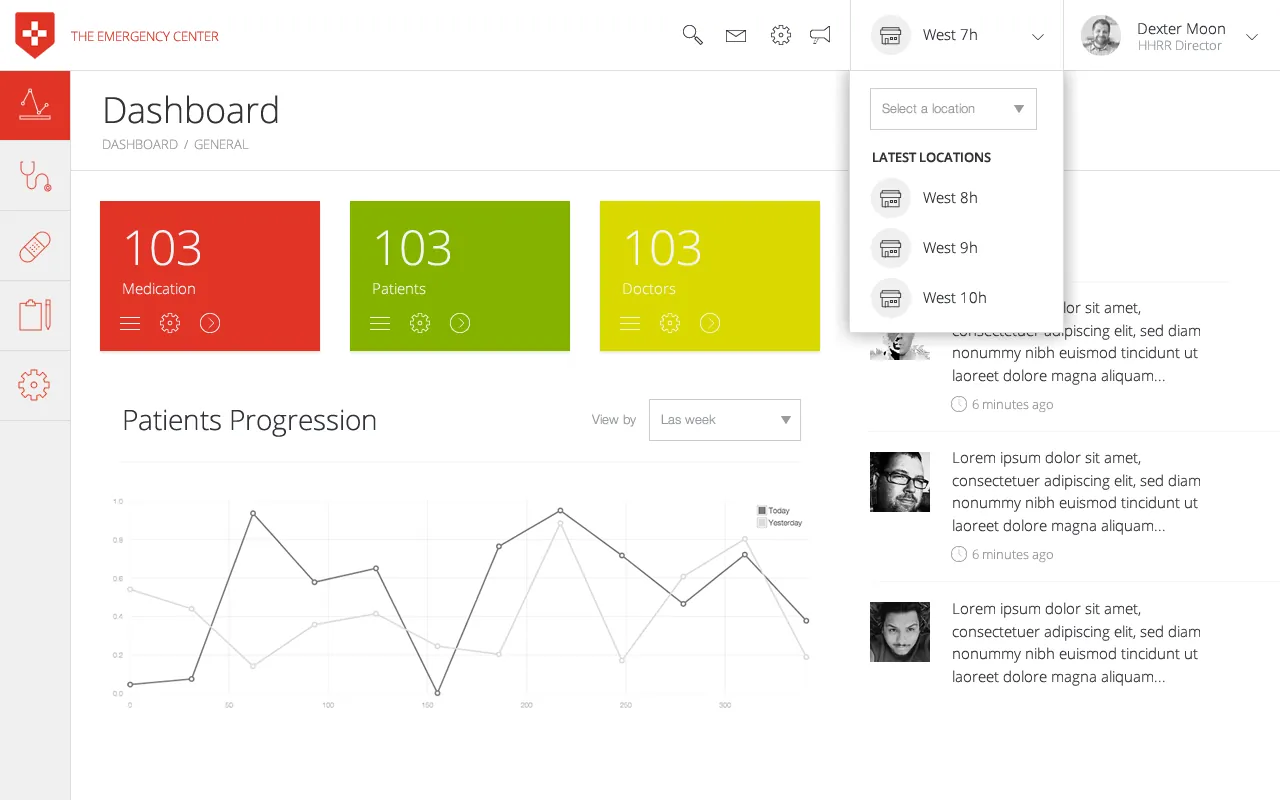
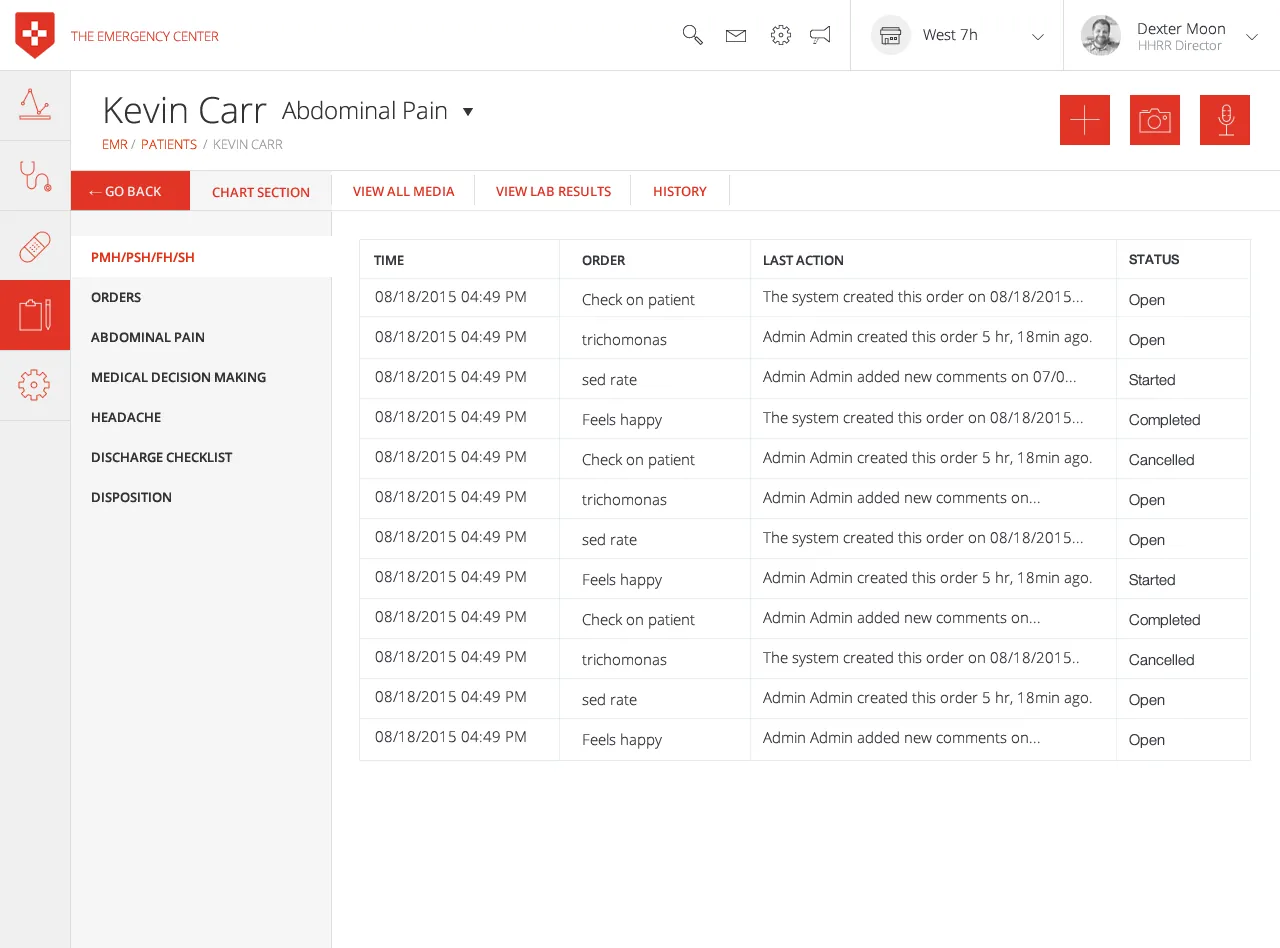
Designed for the freestanding-ER triage-to-discharge sequence — fast, touch-optimized, with smart defaults that anticipate the most common presentations at each stage.
Native FSED billing & coding
Models the freestanding-ER billing and coding structure natively, eliminating the translation layer that caused most billing errors.
HIPAA enforced by design
Role-based access, full audit logs, automated PHI handling, and BAA documentation built into the deployment process for every partner integration — compliance in the data model, not bolted on.
Inside the build.
It's been a robust system that has been running for several years now and we've been rock solid.
Hear it from the client.
Other results like this.
12 Systems Into One AML Platform — 75% Fewer False Positives, Zero Regulatory Findings
A financial services firm consolidated 12 fragmented source systems into one audited AML data warehouse, rebuilt detection on top of it, cut false positives 75% — and passed its next regulatory examination with zero findings.
An antiquated platform was costing them their biggest clients — so we rebuilt it
A third-generation credit insurance brokerage was losing the close to better-funded competitors. We replaced the antiquated system, and they kept their biggest clients.
Cutting Admin Time 60% So Vets Could Get Back to Patients
A large equine veterinary practice was losing 30–40% of every vet's day to software that didn't fit how they worked. A purpose-built practice management system cut administrative time by 60% and doubled the horses seen without ballooning staff costs.
Go deeper.
Best System Integration Companies for Mid-Market Operators
How a PE-backed mid-market operator should evaluate a system integration partner — the criteria that matter, the questions to ask, and how to choose.
Best Cloud Modernization Firms: How to Choose a Partner
A criteria-based guide for PE-backed mid-market operators evaluating cloud modernization partners. What to look for, the questions to ask, and how to tell migration from modernization.
Legacy System Modernization: The Complete Guide for Mid-Market Operators
When to modernize, replatform, or rewrite your legacy systems — a decision framework for mid-market operators and PE sponsors evaluating tech infrastructure for AI-readiness.