12 Systems Into One AML Platform — 75% Fewer False Positives, Zero Regulatory Findings
A financial services firm consolidated 12 fragmented source systems into one audited AML data warehouse, rebuilt detection on top of it, cut false positives 75% — and passed its next regulatory examination with zero findings.
Result: 12 source systems unified · 75% fewer false positives · 10× transaction volume handled · 0 regulatory findings
What they were up against.
K2 Integrity's compliance team was running anti-money-laundering analysis across 12 separate source systems — each with its own data model, extract process, and interpretation of the same transaction types. Filing a Suspicious Activity Report meant analysts manually reconciling exports from multiple systems: days of work, with human error at every step. Regulators had already flagged the fragmentation in a prior exam — the firm couldn't demonstrate end-to-end transaction coverage, a baseline requirement for any credible AML program. The detection engine on top of that data had its own problem: built for a fraction of current volume (transactions had grown 10× in five years), its rules generated false-positive rates above 90%, so analysts spent almost all their time clearing noise while genuinely suspicious patterns slipped through. The next examination was 18 months out, and the system had to be operational and demonstrable, not still in development.
- BSA/AML coverage — demonstrable, auditable coverage of every reportable transaction type across all business lines
- SAR deadlines — reports due within 30 days of detection; manual processes were consistently at or over the limit
- False-positive rates above 90% — analysts buried in alerts, real risk slipping through a rigid rule set
- Examination risk — continued fragmentation risked Matters Requiring Attention or formal enforcement
- Operational drag — analysts spending 60% of their time on data reconciliation instead of investigation
How we did it.
Source-system inventory
Complete mapping of all 12 systems — data models, volumes, extract mechanisms, and coverage gaps. We documented everything before touching anything.
Unified data model and pipelines
A normalized transaction model that accommodated every source type while preserving the audit trail SAR documentation requires, fed by reliable, monitored pipelines with data-quality checks and alerting at every stage.
Detection engine rebuilt on the new foundation
Rule-based detection re-tuned for the firm's current risk profile, combined with machine-learning models trained on historical SAR data to catch the patterns rules miss — scoring transactions as they happen and prioritizing alerts by risk.
Analyst workflow
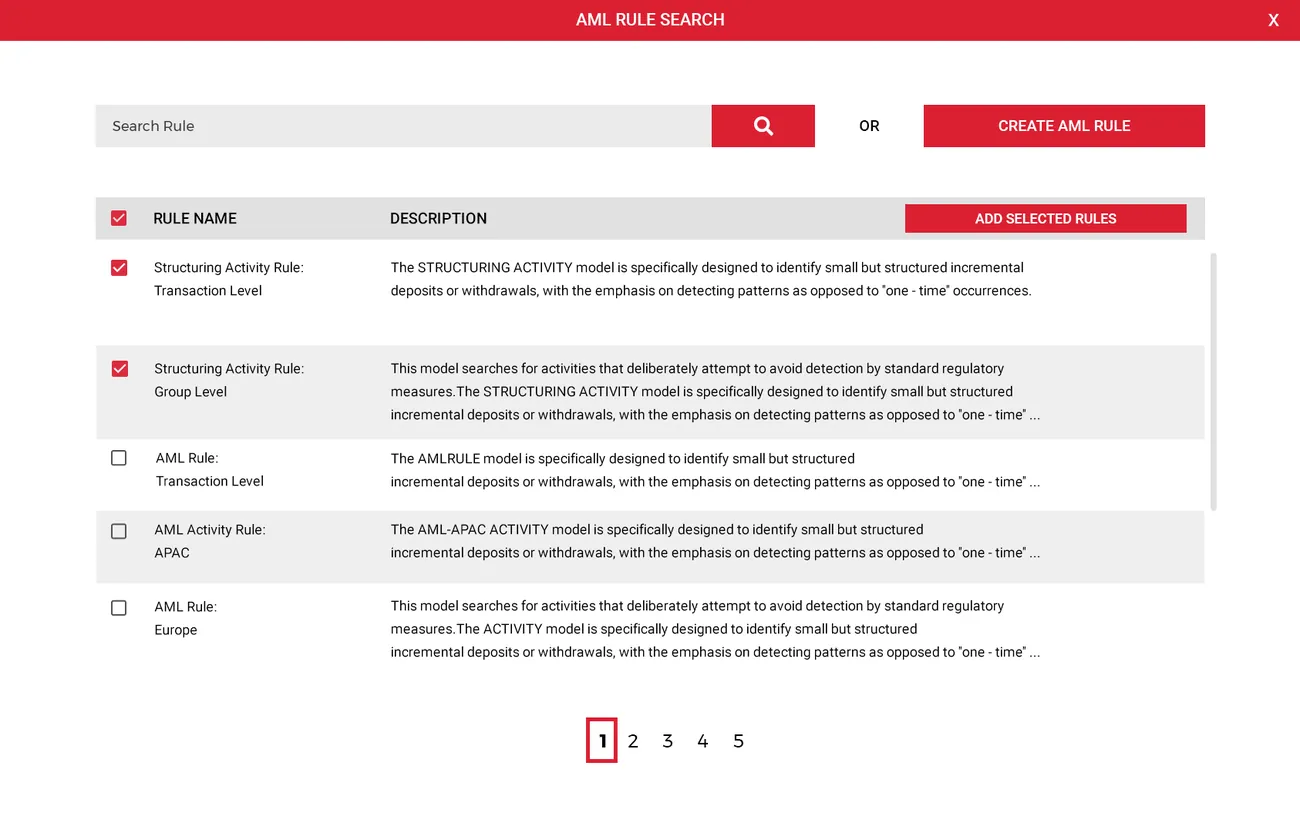
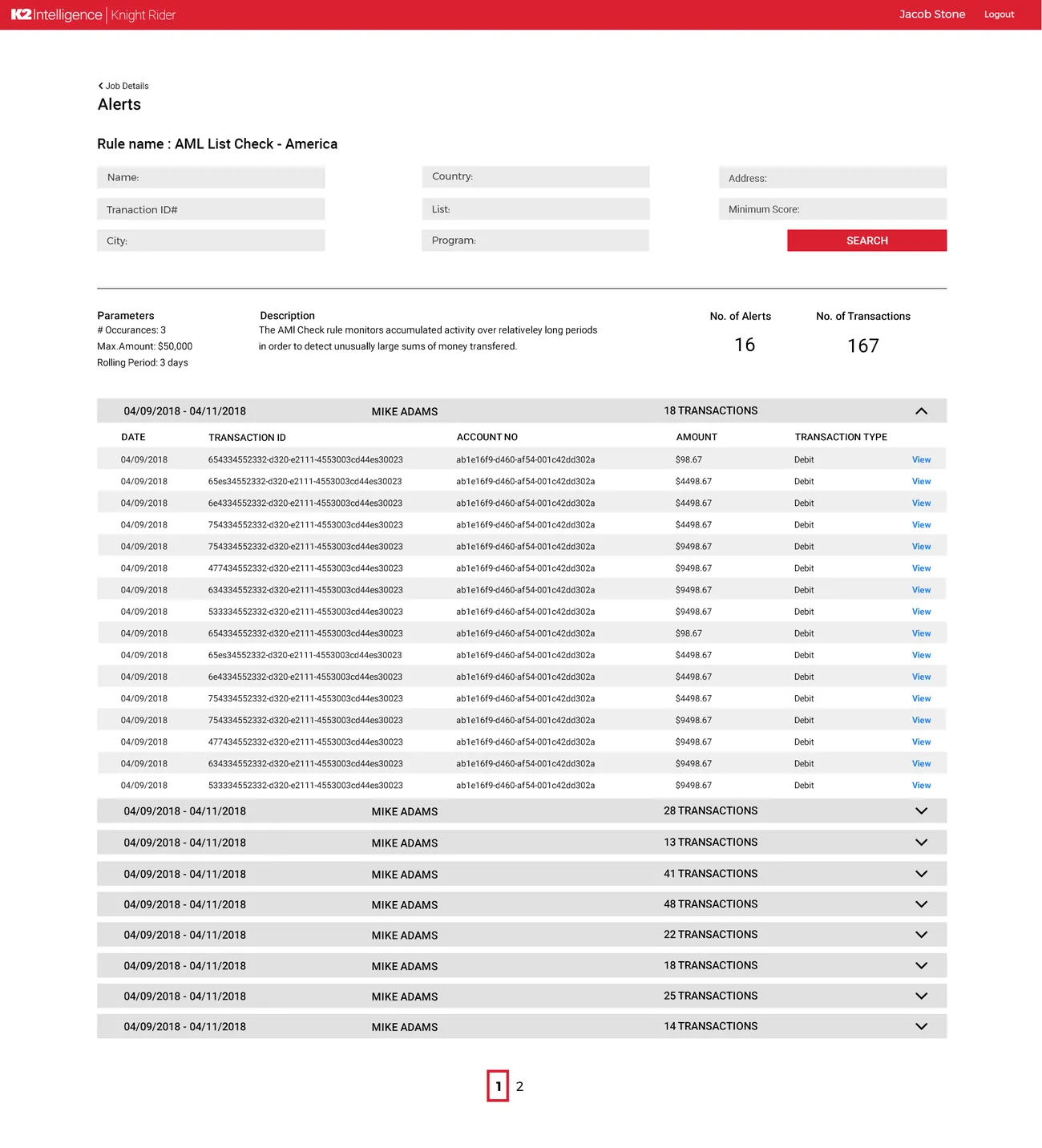
Case management and dashboards for the compliance team, with alerts arriving pre-populated with investigation summaries for SAR prep.
What changed.
- When the examination arrived, the firm demonstrated end-to-end transaction coverage from every source system into a single, audited, documented warehouse.
- The examiners reviewed the architecture, the data-quality controls, and the detection-model documentation — and issued zero findings, the first clean result in three examination cycles.
- False-positive rates dropped 75% in the first 90 days; analysts who had been buried under an unworkable alert queue were managing a prioritized list of genuinely suspicious cases.
- SAR filing dropped from days to hours, and analyst time on data reconciliation fell from 60% to under 10% — freeing them to do the investigation work they were hired for.
The system.
Unified transaction data warehouse
All 12 source systems consolidated, normalized, validated — with a full audit trail.
12-source ETL pipeline suite
Per-source pipelines with data-quality monitoring, reconciliation checks, and failure alerting.
Hybrid detection engine
Rules tuned to the firm's risk profile plus machine-learning models trained on historical SAR data, configurable by compliance without engineering support.
Near-real-time processing
Transactions scored as they happen, with alerts prioritized by risk score so the highest-risk cases surface first.
Analyst workflow dashboard
Case management that surfaces flagged transactions, supports investigation, and produces SAR-ready documentation packages.
Horizontally scalable architecture
Built to scale out with volume — so it won't be outgrown again.
Inside the build.
I can't say enough good things about your team. You really exceeded my expectations. The understanding the team has of our complex business is impressive. We've come a long way and you guys made it happen.
Other results like this.
An antiquated platform was costing them their biggest clients — so we rebuilt it
A third-generation credit insurance brokerage was losing the close to better-funded competitors. We replaced the antiquated system, and they kept their biggest clients.
Cutting Admin Time 60% So Vets Could Get Back to Patients
A large equine veterinary practice was losing 30–40% of every vet's day to software that didn't fit how they worked. A purpose-built practice management system cut administrative time by 60% and doubled the horses seen without ballooning staff costs.
15-30% Energy Savings Across 300+ Buildings, With a 2-Year Payback
A proven energy-optimization methodology was capped by senior-engineer headcount. We built the toolkit that let it scale to 300+ buildings worldwide at 15-30% savings and a ~2-year payback.
Go deeper.
Best System Integration Companies for Mid-Market Operators
How a PE-backed mid-market operator should evaluate a system integration partner — the criteria that matter, the questions to ask, and how to choose.
Best Cloud Modernization Firms: How to Choose a Partner
A criteria-based guide for PE-backed mid-market operators evaluating cloud modernization partners. What to look for, the questions to ask, and how to tell migration from modernization.
Legacy System Modernization: The Complete Guide for Mid-Market Operators
When to modernize, replatform, or rewrite your legacy systems — a decision framework for mid-market operators and PE sponsors evaluating tech infrastructure for AI-readiness.